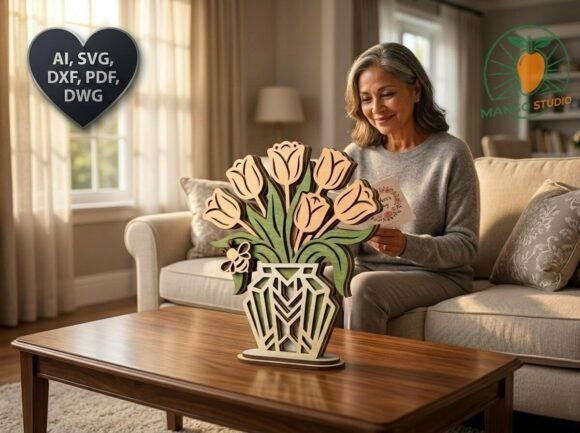
Evaluating the 3mm 3D Tulip Vase Laser Cut SVG DXF for Precision Crafting
The intersection of digital fabrication and traditional craftsmanship has opened new avenues for creators looking to produce high-quality, intricate designs without requiring extensive manual assembly skills. Among the myriad of available vector files, the 3mm 3D Tulip Vase Laser Cut SVG DXF stands out as a specialized resource designed specifically for makers utilizing laser cutters and CNC routers. This particular design is not merely a flat graphic but a structural blueprint intended to create a multi-layered, three-dimensional object that combines aesthetic appeal with technical precision.
For hobbyists and professionals alike, selecting the right file format and design complexity is crucial. This analysis explores the specific attributes of this tulip vase design, its technical requirements, how it compares to other decorative crafting options, and whether it aligns with your current project goals. Understanding these factors ensures that you invest time and materials into projects that yield professional results.
Understanding the Design Structure and Technical Specifications
At its core, the 3mm 3D Tulip Vase Laser Cut SVG DXF is an engineering solution disguised as art. The design relies on a layered construction method where four independent components—specifically the backplate, tulip stems, leaves, and an Art Deco-style vase—interlock to form a cohesive 3D structure. A key feature of this design is the inclusion of a bee motif, which adds a whimsical yet elegant touch suitable for modern office or home decor.
The specification "3mm" is not arbitrary; it dictates the material thickness required for the interlocking slots to function correctly. These files are optimized strictly for materials such as 3mm plywood, MDF (Medium Density Fiberboard), or acrylic. If a user attempts to use thinner or thicker materials without adjusting the vector paths, the structural integrity of the assembled piece may be compromised. The design includes robust contours and minimum 3mm internal bridges, which are critical safety features in laser cutting. These bridges prevent small, delicate pieces from falling through the honeycomb bed of the laser cutter during the engraving process, ensuring a burn-free cut and reducing post-processing cleanup time.
- Layer Complexity: The four-layer system allows for depth and shadow play, creating a more dynamic visual than single-layer silhouettes.
- Material Compatibility: Optimized for 3mm substrates, ensuring snug fits for slot-based assembly.
- Structural Integrity: Built-in bridges and thick contours minimize waste and failure rates during cutting.
File Format Versatility and Workflow Integration
One of the primary advantages of this resource is its comprehensive file support. In the realm of digital fabrication, compatibility is often the biggest hurdle. The package includes AI (Adobe Illustrator), SVG (Scalable Vector Graphics), DXF (Drawing Exchange Format), PDF, and DWG files. This variety ensures that users across different software ecosystems can utilize the design effectively.
For users operating within the Glowforge ecosystem, the SVG and AI files provide native compatibility, allowing for direct upload and immediate job preparation. LightBurn users, who often prefer DXF or SVG formats for their advanced control over power and speed settings, will find the included DXF files ready for import. Similarly, those using Silhouette Studio or other vinyl cutting machines can leverage the SVG format, although the primary intent is for rigid material cutting rather than adhesive vinyl application.
The inclusion of a printable PDF guide is a significant value-add. It serves as a reference for assembly order and layering techniques, which is particularly helpful for beginners who may be unfamiliar with stacking techniques for 3D laser-cut models. This reduces the learning curve and helps ensure that the final product matches the designer’s vision.
Comparative Analysis: 3D Layered Models vs. Flat Decorations
When evaluating the 3mm 3D Tulip Vase Laser Cut SVG DXF, it is useful to compare it against simpler alternatives, such as flat wall decals or single-layer coasters. While flat designs are quicker to produce and require less material, they lack the tactile presence and visual depth of a 3D object.
| Feature | 3mm 3D Tulip Vase | Flat Single-Layer Design |
|---|---|---|
| Visual Impact | High; uses shadows and depth to create dimension. | Moderate; relies entirely on color and contrast. |
| Assembly Time | Higher; requires careful stacking and alignment. | None; typically applied directly to a surface. |
| Material Usage | Higher; utilizes multiple layers of 3mm stock. | Lower; single sheet usage. |
| Best Use Case | Desktop displays, premium gifts, focal points. | Wall art, labeling, quick batch production. |
The tradeoff here is clear: the 3D vase offers a superior end-product quality that justifies the additional time spent in assembly. For a tabletop display or an office desk accessory, the three-dimensional aspect commands attention in a way that flat graphics cannot. However, if the goal is mass production of low-cost items, the increased material cost and labor might make a flat alternative more viable.
Assessing Suitability for Different Maker Levels
Determining whether this file is the right choice depends largely on the maker’s experience level and available tools. For experienced laser cutters, this design represents a straightforward yet rewarding project. The clean vector paths and pre-calculated slot sizes mean that minimal troubleshooting is required. The Art Deco influence of the vase and the organic curves of the tulip stems demonstrate a high level of design sophistication, resulting in a piece that looks professionally manufactured.
For beginners, the project serves as an excellent educational tool. The inclusion of the PDF guide mitigates some of the risks associated with 3D assembly. However, beginners should be aware that working with 3mm acrylic or plywood requires precise machine calibration. Acrylic, in particular, can smoke if the laser speed and power are not tuned correctly, potentially obscuring the fine details of the bee and leaf structures. Plywood, while easier to handle, requires sanding to remove char marks if a natural finish is desired.
It is also worth noting that this design is less suitable for those without access to a laser cutter or CNC router. While the SVG files could theoretically be used for hand-cutting with a craft knife, the precision required for the interlocking slots would be extremely difficult to achieve manually. Therefore, the target audience is firmly rooted in the digital fabrication community.
Strategic Considerations for Commercial and Personal Use
Many makers consider laser-cut designs for commercial purposes, such as selling handmade goods at craft fairs or online marketplaces. The 3mm 3D Tulip Vase Laser Cut SVG DXF is well-suited for this purpose due to its universal appeal and perceived value. The combination of nature-inspired motifs (tulips, bees) with geometric precision (Art Deco vase) creates a product that appeals to a broad demographic.
From a production standpoint, the efficiency of the nesting layout in the provided files can impact profitability. Designs that maximize material usage reduce waste, which is crucial when working with expensive materials like colored acrylic or high-grade birch plywood. The robust internal bridges mentioned in the technical details also contribute to efficiency by reducing the need for secondary support structures during cutting.
However, potential sellers must verify the licensing terms associated with the download from Mango Studio. Some creators allow unlimited commercial use, while others restrict sales to a certain number of units or require attribution. Understanding these restrictions is part of responsible sourcing and protects both the buyer and the original artist.
Conclusion: Making an Informed Choice
The decision to use the 3mm 3D Tulip Vase Laser Cut SVG DXF should be guided by a clear understanding of your capabilities and objectives. If you possess a laser cutter or CNC machine capable of handling 3mm materials, and you are looking to create a visually striking, high-quality desktop item, this design is a strong candidate. Its multi-layered approach offers a significant upgrade in visual appeal compared to standard flat cutouts, and its technical optimization ensures a smooth cutting experience.
Conversely, if you are new to digital fabrication, lack appropriate machinery, or are seeking a rapid, low-effort project, you might find this design too complex or resource-intensive. In such cases, exploring simpler single-layer SVGs or non-laser cutting methods may be more appropriate.
Ultimately, the value of this file lies in its balance of artistic design and technical practicality. By providing multiple file formats and detailed assembly guides, it lowers the barrier to entry while still offering enough challenge to satisfy experienced makers. Whether used as a personal gift, an office decoration, or a commercial product, the 3D tulip vase represents a thoughtful integration of form and function in the world of laser cutting.