Redefining Modern Hospitality and Home Aesthetics Through Digital Precision
In the rapidly evolving landscape of digital fabrication and creative commerce, the line between traditional craftsmanship and modern technology has never been more blurred. For professionals, creators, entrepreneurs, and enthusiasts alike, the demand for unique, high-quality, and customizable design assets is at an all-time high. This shift is driven by a consumer desire for personalization and a market trend toward bespoke experiences in both hospitality and domestic settings. At the forefront of this movement is the 3D Serving Tray Laser Cut concept—a digital solution that empowers makers to produce stunning, functional art without the need for complex machinery or extensive material waste.
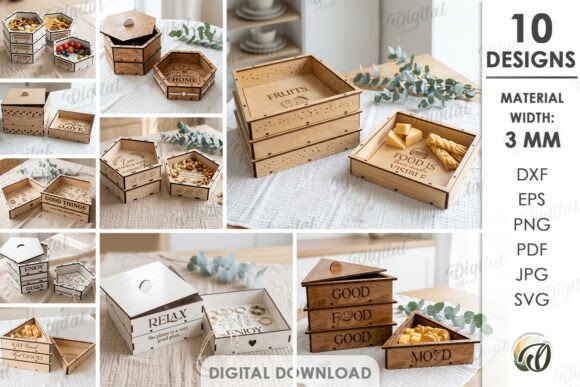
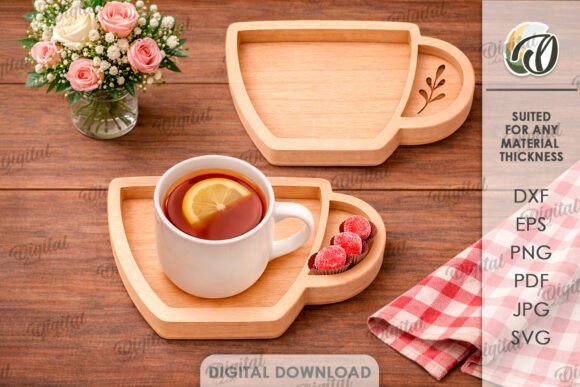
It is crucial to understand the nature of this product from the outset. When you acquire a 3D Serving Tray Laser Cut file, you are not purchasing a physical object. Please pay attention – This is a digital product. No physical goods will be sent – The photos are intended only for inspiration. Instead, what you receive is a comprehensive suite of vector and raster files designed to bridge the gap between imagination and physical reality. This distinction is vital for setting expectations and understanding the value proposition: you are buying the intellectual property and the technical blueprint to create something original, tailored specifically to your brand, home, or office aesthetic.
The Mechanics of Digital Design for Physical Output
The core value of the 3D Serving Tray Laser Cut package lies in its versatility and technical completeness. Upon purchase, you gain access to a zip folder containing a single, intricately designed pattern available in multiple formats: SVG, DXF, EPS, PDF, JPEG, and PNG. Each format serves a specific purpose in the workflow of a modern creator or small business owner.
- SVG (Scalable Vector Graphics): Ideal for web use and direct import into cutting software like Silhouette Studio or Cricut Design Space, allowing for infinite scaling without loss of quality.
- DXF (Drawing Exchange Format): The industry standard for CAD programs and laser cutters, ensuring precise coordinate mapping for automated manufacturing.
- EPS (Encapsulated PostScript): Perfect for professional graphic design workflows in Adobe Illustrator, enabling seamless integration into larger branding projects.
- PDF (Portable Document Format): Provides a universal preview and print-ready format, useful for planning layouts and verifying dimensions before cutting.
- JPEG and PNG: High-resolution raster images that serve as visual references, texture guides, or marketing assets for social media promotion.
This multi-format approach ensures that whether you are a hobbyist using a desktop laser cutter or a commercial manufacturer operating industrial-grade equipment, the 3D Serving Tray Laser Cut design can be adapted to your specific technological ecosystem. It removes the barrier to entry, allowing individuals with varying levels of technical expertise to participate in the creation of high-end decorative items.
Meeting the Demand for Personalized Experiences
Why is there such a surge in interest around designs like the 3D Serving Tray Laser Cut? The answer lies in the broader cultural shift toward "experiential consumption." Consumers no longer settle for mass-produced, generic items. They seek products that tell a story, reflect their personality, or enhance the ambiance of their spaces. In the hospitality industry, restaurants and cafes are increasingly competing on atmosphere and uniqueness. A serving tray with intricate, laser-cut detailing adds a layer of sophistication and tactile interest to the dining experience, elevating simple food presentation into an event.
Similarly, in the residential sector, the rise of remote work and the focus on interior design have transformed homes into multifunctional hubs. People are looking for ways to infuse their living and working spaces with character. The 3D Serving Tray Laser Cut offers a great solution for creating an original design for your home or office. Whether used as a decorative wall piece, a functional serving vessel, or a centerpiece for a coffee table, these designs allow homeowners to curate environments that feel curated rather than catalogued.
The possibilities of creation are endless. The geometric precision afforded by laser cutting allows for complex patterns—such as fractals, mandalas, or custom monograms—that would be nearly impossible to achieve consistently through manual carving or molding. This precision meets the modern preference for clean lines and minimalist yet detailed aesthetics.
Empowering Entrepreneurs and Freelancers
For entrepreneurs and freelancers, the 3D Serving Tray Laser Cut represents a low-risk, high-reward opportunity. In the gig economy and the maker movement, agility is key. By acquiring digital assets, creators can quickly prototype new products without investing in expensive tooling or inventory. This lean approach to business allows for rapid testing of market trends. If a particular geometric style resonates with customers, it can be produced and sold immediately. If not, the financial loss is limited to the cost of the digital file.
Furthermore, this model supports the growing demand for sustainable manufacturing. Laser cutting is a subtractive process that can be optimized to minimize material waste. By choosing materials responsibly—such as reclaimed wood, acrylics made from recycled content, or sustainable bamboo—creators can align their product offerings with eco-conscious consumer values. The 3D Serving Tray Laser Cut design facilitates this by providing clear cut paths that help maximize material efficiency.
Marketers and content creators also find value in these designs. The visual appeal of laser-cut objects makes them highly shareable on social media platforms like Instagram and Pinterest. High-quality photographs of these trays, especially when styled with complementary props, generate significant engagement. The ability to create unique, eye-catching visuals helps brands stand out in crowded digital feeds, driving traffic and conversion.
Technical Considerations and Best Practices
To fully leverage the potential of the 3D Serving Tray Laser Cut, users should consider several technical factors. First, material selection is paramount. Different materials react differently to laser energy. Wood requires adjustments in speed and power to prevent excessive charring, while acrylics need precise settings to achieve crystal-clear edges. Understanding these nuances is part of the learning curve that adds value to the creator’s skill set.
Second, post-processing plays a critical role in the final aesthetic. Sanding, staining, sealing, or adding handles can transform a flat cutout into a three-dimensional functional object. The "3D" aspect often refers to the layered effect achieved by stacking multiple cut pieces or adding depth through assembly. This assembly process invites creativity, allowing the maker to experiment with proportions and structural integrity.
Finally, quality control is essential. Even with perfect digital files, machine calibration affects the outcome. Regular maintenance of laser equipment and test cuts on scrap material ensure that the final product matches the inspiration images. This attention to detail reinforces the brand reputation of the seller, whether they are an individual freelancer or a established boutique brand.
Conclusion: The Future of Maker Culture
The trend toward digital fabrication is not a fleeting fad; it is a fundamental restructuring of how we create and consume goods. The 3D Serving Tray Laser Cut exemplifies this shift, offering a blend of artistic expression, technical precision, and commercial viability. It democratizes design, giving anyone with access to a laser cutter the tools to produce professional-grade decor.
As we look forward, we can expect to see even greater integration of digital design tools with manufacturing processes. Augmented reality may soon allow buyers to visualize these trays in their own spaces before purchase, further enhancing the connection between digital asset and physical product. For now, the opportunity is clear: embrace the digital workflow, respect the technical requirements, and unleash your creativity.
We thank you for visiting our store and exploring the possibilities of digital craft. We believe that with the right tools and inspiration, everyone can contribute to a more beautiful and personalized world. Please write me a message if you have a question. Our team is dedicated to supporting your creative journey. Whether you need clarification on file formats, advice on material selection, or simply want to share your finished project, we are here to help.
Happy shopping.