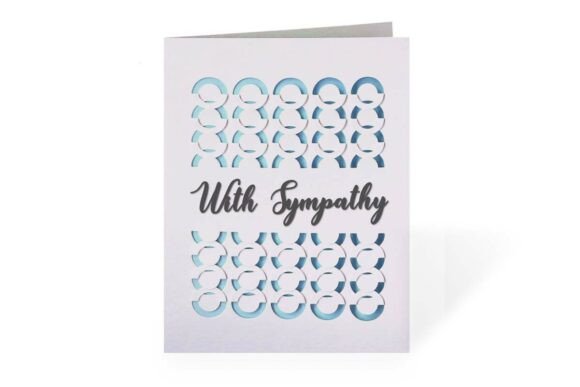
With Sympathy 3D Fold and Tuck Card SVG
In the realm of paper crafting, few things capture attention quite like a well-executed three-dimensional card. These designs transform flat sheets of paper into intricate structures that pop off the page, offering a tactile experience that standard greeting cards simply cannot match. Among the various techniques available to crafters, the fold and tuck method stands out for its elegance and structural integrity without requiring excessive adhesive. The With Sympathy 3D Fold and Tuck Card SVG represents a modern solution for those looking to create heartfelt, professional-grade sympathy cards with precision and ease. This guide explores the intricacies of this design, its formats, assembly process, and why it has become a favorite among both hobbyists and small business owners.
Understanding the Fold and Tuck Technique
The fold and tuck technique is a staple in papercrafting because it relies on geometry rather than glue to hold a structure together. By scoring and folding specific lines, and then sliding tabs into corresponding slots, the paper creates a self-supporting 3D shape. This method reduces mess, ensures clean edges, and allows for a satisfying "snap" when the card is assembled correctly. For sympathy cards, where the emotional weight of the gesture is paramount, the added dimensionality of a 3D fold and tuck design adds a layer of care and effort that recipients deeply appreciate.
Unlike traditional cards that lie flat, a 3D fold and tuck card often features layers that open up or stand proud from the base. This creates visual interest and draws the eye to the center of the design, which is typically reserved for the most important element—whether that be a floral arrangement, a decorative doily, or the main sentiment text.
Formats and Accessibility: SVG, STUDIO 3, and PDF
One of the primary advantages of purchasing digital cut files is the flexibility they offer across different software platforms. The With Sympathy 3D Fold and Tuck Card SVG is not limited to a single format; instead, it is provided in multiple file types to accommodate various user needs and equipment capabilities.
- SVG (Scalable Vector Graphics): This is the industry standard for laser cutters and most electronic cutting machines like Cricut and Silhouette. SVG files are resolution-independent, meaning you can resize the design from a tiny embellishment to a large banner without losing quality. They are ideal for users who want precise control over their cut lines and score marks.
- STUDIO 3: Designed specifically for ScanNCut users, this proprietary format ensures that the machine reads the cut and score data exactly as intended by the designer. It simplifies the workflow for Brother ScanNCut owners, removing the need for complex vector editing before sending the job to the cutter.
- PDF: Portable Document Format files serve a dual purpose. They can be used as printable templates for hand-cutting or tracing, but they are also compatible with many basic cutting machines that accept PDF inputs. Additionally, a PDF serves as an excellent reference guide, allowing users to view the layout before committing to a full cut, which helps in planning material usage.
This multi-format approach ensures that whether you are a seasoned pro with a high-end laser setup or a beginner with a basic electronic cutter, you have access to the tools necessary to bring this design to life.
Assembly and Design Features
The description notes that the design comes as one piece cut. This is a significant feature for efficiency. In many complex 3D projects, users must cut dozens of separate pieces, trace them, and manage a chaotic workspace of mini-components. A one-piece cut design minimizes handling errors and speeds up production time significantly. You load your material once, run the cut, and then focus entirely on the folding and tucking process.
The inclusion of a card liner is another thoughtful detail. In 3D cards, the interior can sometimes look unfinished if left blank, especially if the outer shell is highly detailed. The optional colored liner provides a clean, polished background that contrasts beautifully with the white or patterned exterior. It frames the inner message and adds a splash of color that can be coordinated with the theme of sympathy—soft blues, gentle greens, or muted lavenders are common choices for such occasions.
Who Benefits From This Design?
The versatility of the With Sympathy 3D Fold and Tuck Card SVG makes it suitable for a wide range of users.
Hobbyist Crafters
For those who enjoy making cards for friends and family, this design offers a way to elevate their gifting. Sending a handmade, 3D card shows a level of dedication that store-bought items lack. The ease of assembly means that even those with less experience can achieve professional-looking results, boosting confidence and encouraging further creative exploration.
Small Business Owners
Craft entrepreneurs selling at markets or online platforms are always looking for unique products that stand out. While sympathy cards are a niche market, they command a higher price point due to their perceived value and labor intensity. Having a design that is quick to assemble (thanks to the one-piece cut) but looks intricate allows business owners to scale production without sacrificing quality. It turns a potentially slow project into a manageable inventory item.
Event Planners and Florists
Professionals in the wedding or funeral industry often seek personalized touches for their clients. A custom 3D card can be part of a larger package, offering a cohesive aesthetic. The ability to choose different colors for the liner allows these professionals to match the card to specific floral arrangements or event themes.
Practical Considerations and Best Practices
While the design is user-friendly, achieving the best results requires attention to material selection and technique.
Material Choice
The success of a fold and tuck card lies heavily in the paper stock. Thin cardstock may not hold the tension required for the tuck tabs to stay secure, leading to a flimsy final product. Conversely, overly thick paper can be difficult to score cleanly, resulting in jagged folds. A medium-weight cardstock, typically between 180gsm and 250gsm, is often the sweet spot. It provides enough stiffness to stand up on its own while remaining pliable enough to fold sharply.
Scoring is Key
Even though the digital file includes score lines, how you execute these lines matters. Using a bone folder or a blunt tool to press along the score marks before cutting (or after, depending on your machine's workflow) ensures crisp, sharp folds. Blunt folds can make the 3D structure look sloppy and reduce its structural integrity.
Testing Before Production
If you are using this design for a commercial purpose or a high-stakes personal gift, it is wise to create a prototype first. Use scrap paper to test the fit of the tabs. Sometimes, slight variations in cutting blade sharpness or material thickness can affect how snugly the pieces fit. Adjusting the tolerance in your cutting software or being mindful of pressure settings can prevent frustration during the final assembly.
Expanding Your Collection
The creator of this design encourages users to explore more fold and tuck flowers, doilies, and cards in their portfolio. This suggests a cohesive ecosystem of designs that share similar structural logic. For enthusiasts, this is valuable because mastering one fold and tuck mechanism often translates to understanding others. If you learn how to assemble the sympathy card, you will likely find that other floral or decorative elements in the same style are easier to tackle. Building a library of compatible designs allows for endless customization—you might swap out the flower motif for a geometric pattern or change the card size while keeping the underlying tuck system intact.
Conclusion
The With Sympathy 3D Fold and Tuck Card SVG is more than just a digital file; it is a toolkit for creating meaningful, tangible expressions of empathy. By combining the reliability of the fold and tuck technique with the convenience of multi-format digital delivery, it bridges the gap between complex papercraft artistry and accessible DIY projects. Whether you are looking to add a special touch to a condolence gift, expand your small business offerings, or simply challenge your crafting skills, this design provides a solid foundation. Its emphasis on ease of assembly, included liners, and versatile file formats ensures that the focus remains where it should: on the sentiment and the beauty of the finished piece.