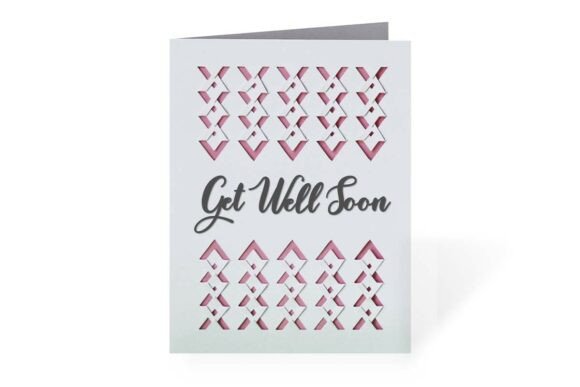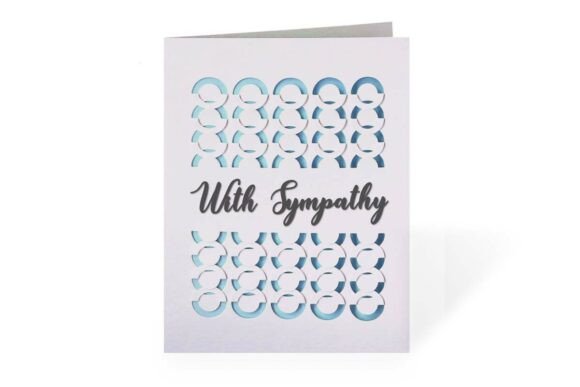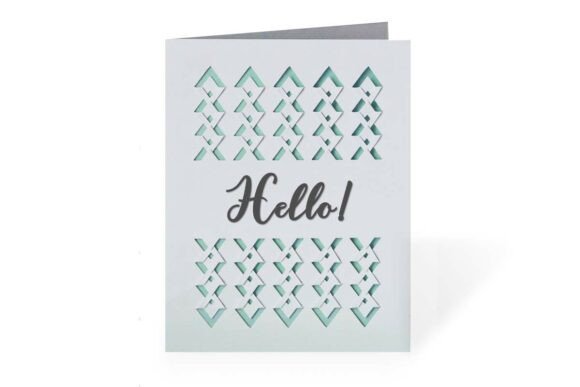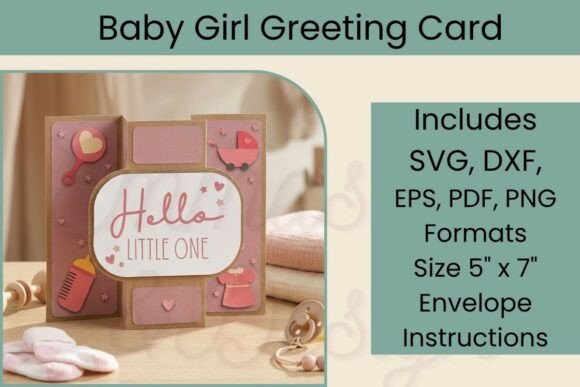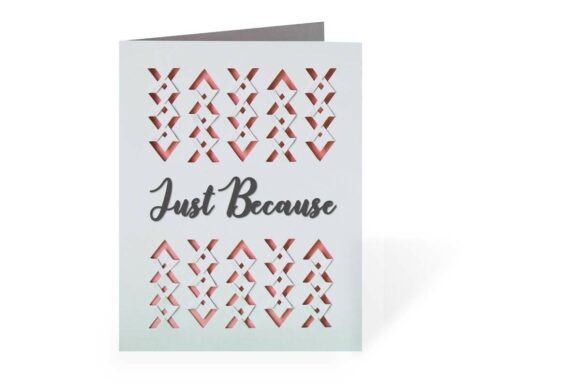
Just Because 3D Fold and Tuck Card SVG
There is a distinct satisfaction in holding a card that does more than just sit flat on a table. In an era dominated by digital notifications, the tactile experience of paper craft has become not just a hobby, but a meaningful gesture. The Just Because 3D Fold and Tuck Card SVG offers a sophisticated yet accessible way to create these memorable moments. It is designed for those who appreciate clean lines, structural integrity, and the quiet joy of assembly without the complexity of intricate scoring or gluing.
This design stands out because it eliminates the guesswork often associated with three-dimensional paper engineering. By providing the file in multiple formats—SVG, STUDIO 3, and PDF—it ensures compatibility across a wide range of cutting machines and software environments. Whether you are using a Cricut, Silhouette, or a standard laser cutter, this template adapts to your workflow. The inclusion of a card liner option adds another layer of customization, allowing you to introduce color contrast or thematic depth without altering the primary structure.
The Mechanics of Modern Paper Engineering
What makes the fold and tuck mechanism so effective is its simplicity. Unlike complex origami structures that require precise creasing and tension management, this design relies on friction and geometry. The tabs tuck securely into designated slots, creating a self-supporting 3D form. This means you can focus on the aesthetic choices rather than worrying about structural failure during assembly.
The "fold and tuck" approach is particularly appealing for beginners and seasoned crafters alike. For the novice, it provides a sense of accomplishment with minimal frustration. For the expert, it offers a reliable base upon which to layer advanced techniques such as embossing, die-cutting overlays, or mixed media applications. The result is a card that feels substantial and intentional, reflecting care and attention to detail.
Adapting the Design for Different Audiences
One of the strongest features of this SVG bundle is its versatility. While the name suggests a casual "just because" sentiment, the structure supports a wide array of occasions and audiences. Here is how different creators can adapt this template:
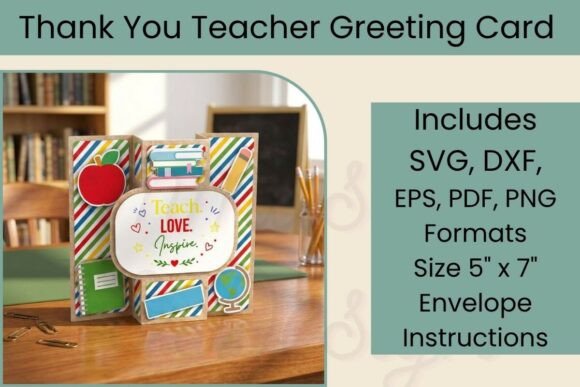
- Educators and Students: Use the card as a graduation keepsake or a thank-you note for teachers. The 3D element adds a level of prestige suitable for academic milestones. You can print the liner in school colors or use educational icons within the cut-out areas if the design allows.
- Small Business Owners: Include these cards with product orders as a premium unboxing experience. A well-crafted card elevates the perceived value of even small items. Consider using high-quality textured paper stock to reinforce the brand’s commitment to quality.
- Hobbyists and Artists: Treat the card as a canvas for experimentation. Test different paper weights, finishes (matte vs. glossy), and colors. The neutral structure of the fold and tuck design acts as a frame, allowing the material itself to shine.
- Marketers and Bloggers: Create limited-edition physical mailers for newsletter subscribers. In a digital-saturated world, receiving a tangible, beautifully engineered object can significantly boost engagement and brand loyalty.
Creative Possibilities and Styling Approaches
The visual impact of the Just Because 3D Fold and Tuck Card largely depends on the materials you choose and how you style the final piece. Since the design comes with an optional card liner, you have two main approaches: monochromatic elegance or contrasting vibrancy.
For a minimalist look, use a single color for both the outer shell and the liner. Choose a heavyweight cardstock in a muted tone like sage green, dusty blue, or charcoal gray. The subtlety of the design will highlight the precision of the cuts. This approach works exceptionally well for professional invitations, corporate gifts, or modern wedding stationery.
Alternatively, embrace contrast. Use a crisp white exterior with a bold, saturated liner. This draws the eye inward, creating a focal point when the card is opened. You might also experiment with patterned papers for the liner while keeping the exterior solid, or vice versa. If you want to add texture, consider using vellum for the liner to create a soft, translucent effect that catches the light differently than opaque cardstock.
Don’t overlook the power of embellishment. While the card is structurally complete on its own, adding subtle details can enhance its appeal. A simple wax seal on the back, a sprig of dried lavender tucked into a corner, or a handwritten message in metallic ink can transform the card from a craft project into a work of art. However, restraint is key; let the 3D structure remain the star of the show.
Technical Tips for Best Results
To ensure your projects turn out professionally, pay attention to the technical aspects of cutting and assembling. The format options provided—SVG, STUDIO 3, and PDF—are chosen for their reliability, but proper setup is essential.
- Material Selection: Avoid paper that is too thin or too thick. Standard cardstock between 180gsm and 250gsm usually offers the best balance of flexibility and rigidity. Thinner papers may tear at the tuck points, while thicker papers may resist folding cleanly.
- Blade Sharpness: Ensure your cutting blade is sharp. Dull blades can crush the edges of the paper, making the tuck slots loose and reducing the structural integrity of the card. Replace blades regularly, especially when working with abrasive materials like glitter cardstock.
- Scoring: Although the design is intuitive, pre-scoring the fold lines can result in sharper, cleaner creases. This is particularly important if you are using heavier cardstock or if you want a crisp, architectural look.
- Assembly Order: Follow the logical sequence of folding and tucking. Usually, it is easiest to fold all the main creases first before attempting to tuck the tabs. This prevents misalignment and reduces stress on the paper fibers.
Expanding Your Portfolio
If you find yourself drawn to the structural elegance of the Just Because 3D Fold and Tuck Card, there is a whole world of similar designs to explore. The creator’s portfolio likely includes variations featuring floral motifs, geometric patterns, and seasonal themes. Integrating these elements can help you build a cohesive collection of handmade goods or personal projects.
Consider combining the fold and tuck card with other paper crafts, such as layered doilies or 3D flowers. These additions can soften the geometric lines of the card and add a romantic or vintage touch. The key is to maintain consistency in style and color palette across your projects. This creates a recognizable brand identity, whether you are selling online or sharing with friends and family.
Ultimately, the value of this SVG bundle lies in its ability to empower creativity. It removes the barriers to entry for 3D paper crafting, allowing you to focus on expression and connection. Whether you are designing for a specific client or simply enjoying a quiet afternoon of crafting, the Just Because 3D Fold and Tuck Card offers a rewarding blend of challenge and achievement. It reminds us that in a fast-paced digital world, taking the time to create something tangible is a powerful act of presence and care.
As you experiment with different papers, colors, and embellishments, you will discover that each card becomes a unique reflection of your style. The structure remains constant, but the possibilities are endless. Start with the basics, master the assembly, and then let your imagination guide you to new heights of paper engineering.