Bringing Feline Grace to Life: A Deep Dive into the 3D Papercraft Stretching Cat
In an era where digital screens dominate our visual landscape, there remains a profound satisfaction in creating tangible objects with one’s own hands. The resurgence of analog hobbies, particularly paper crafting, offers a therapeutic counterpoint to modern life. Among the myriad of designs available, the 3D Papercraft Stretching Cat stands out as a unique intersection of artistic precision and feline charm. This project is not merely a toy or a decoration; it is a study in geometry, patience, and the delicate beauty of polygonal art.
This article explores the intricacies of this specific designer polygon art product, examining why it appeals to such a diverse audience—from professional designers seeking inspiration to hobbyists looking for a rewarding weekend project. We will dissect the workflow, analyze the materials required for optimal results, and discuss the broader appeal of three-dimensional papercraft in contemporary creative practices.
The Artistry Behind Polygon Design
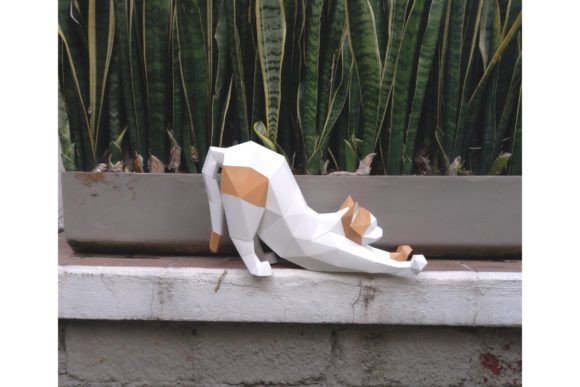
At its core, the 3D Papercraft Stretching Cat represents a sophisticated application of origami principles combined with modern vector design. Unlike traditional flat illustrations, this product transforms two-dimensional shapes into a volumetric sculpture. The "stretching" pose of the cat is particularly significant from a design perspective. It requires a complex arrangement of polygons that must align perfectly when assembled to create the illusion of fluid muscle movement and bone structure.
For professionals in graphic design and architecture, studying this model offers valuable insights into how low-poly aesthetics can convey high-level detail. The challenge lies in reducing the organic form of a cat into geometric facets without losing its essential character. When executed correctly, the result is a striking piece of wall art that captures the essence of the animal through abstraction rather than realism.
The digital files provided for this project are meticulously crafted to ensure accuracy. The inclusion of SVG cutting files allows for precision using laser cutters or electronic cutting machines like Cricut or Silhouette. For those who prefer manual assembly, the DXF and PNG file formats provide versatile options for printing and tracing. This multi-format approach ensures that the 3D Papercraft Stretching Cat is accessible regardless of the crafter's equipment level.
Who Benefits from This Craft?
The versatility of this paper craft project means it resonates with a wide spectrum of users. Understanding these different user groups helps clarify why this particular design has gained traction among enthusiasts.
- Hobbyists and DIY Enthusiasts: For individuals who enjoy home decor projects, this cat serves as a perfect centerpiece. It is challenging enough to be satisfying but structured enough to prevent frustration. The step-by-step PDF instructions guide the builder through each stage, making it suitable for intermediate crafters.
- Educators and Students: In educational settings, this project can be used to teach geometry, spatial reasoning, and fine motor skills. The process of converting 2D nets into 3D forms reinforces concepts of angles, symmetry, and volume. It is an excellent STEM (Science, Technology, Engineering, and Mathematics) activity that feels more like play than work.
- Professional Designers: Graphic artists and illustrators may use this as a reference for understanding how light interacts with faceted surfaces. The way shadows fall on the folded edges of the stretching cat provides a real-world example of lighting dynamics in 3D modeling.
- Cat Lovers: Obviously, those with an affinity for felines will appreciate the subject matter. However, even non-cat owners often find the graceful posture of a stretching cat universally appealing and calming.
Materials Matter: Achieving Professional Results
One of the most critical aspects of successful papercraft is material selection. While it is possible to use standard printer paper, the structural integrity and aesthetic finish of the 3D Papercraft Stretching Cat are significantly enhanced by using heavier cardstock. The recommended material for this project is Encore Cardstock at 80 lb cover weight, which equates to approximately 216 gsm.
Why does weight matter? Thinner papers tend to warp when glue is applied and may not hold crisp folds over time. Heavier cardstock provides the necessary rigidity to maintain the shape of the sculpture while still being pliable enough to fold along the designated lines. The texture of high-quality cardstock also adds a tactile dimension to the final piece, giving it a premium feel that mimics the softness of fur through shadow and depth.
If you are sourcing your materials, visiting a specialized supplier like the 12×12 Cardstock Shop can provide access to a wide variety of colors and textures. Choosing a color palette that complements your home decor—such as warm oranges, cool grays, or classic blacks—allows the sculpture to blend seamlessly into your environment. Note that this recommendation involves a paid link, which supports the creator at no extra cost to you, ensuring the sustainability of free or affordable resources for the community.
Step-by-Step Assembly Workflow
Assembling the 3D Papercraft Stretching Cat is a meditative process that rewards patience. The following workflow outlines the general procedure, derived from the included PDF instructions and best practices in paper engineering.
- Preparation and Download: Begin by downloading the zip file containing all necessary assets. Unzip the folder to access the SVG, DXF, PNG, and PDF instruction manuals. Ensure your printer is calibrated correctly to print at a 1:1 scale. Misalignment during printing can lead to gaps in the final assembly.
- Printing: Print the templates onto your chosen 80 lb cover cardstock. If you are using a laser cutter, import the SVG files directly into your software. For manual cutting, ensure you have sharp scissors or a precision craft knife.
- Cutting: Carefully cut out each polygon. Precision here is key. Jagged edges can prevent pieces from fitting together tightly. Take your time, especially around small tabs and intricate curves.
- Folding: This is where the magic happens. Using a bone folder or the back of a butter knife, score and fold along all indicated lines. Mountain folds (folding away from you) and valley folds (folding toward you) must be distinguished clearly. Creasing these lines sharply ensures that the 3D structure holds its shape securely.
- Gluing and Assembly: Follow the numbering system in the PDF guide strictly. Apply a small amount of PVA glue or a hot glue gun (used sparingly) to the tabs. Press the pieces together firmly and allow them to set. Working in sections, building up the body, legs, and tail, will help manage the complexity of the model.
The final result is a rigid, elegant sculpture that captures the dynamic motion of a cat stretching. The interplay of light across the various planes creates a sense of depth that changes depending on the viewer's angle, making it a dynamic piece of art.
Practical Applications and Display Ideas
Once completed, the 3D Papercraft Stretching Cat offers numerous display possibilities. Its lightweight nature makes it ideal for shelf placement, desk decoration, or even hanging as a mobile if additional string attachment points are considered.
Home Decor: Place the cat on a bookshelf alongside other figurines or books. Its geometric style pairs well with modern, minimalist, or Scandinavian interior design themes. It adds a touch of whimsy without cluttering the space.
Gifting: Because the assembly process takes time, gifting a completed model is a gesture of thoughtfulness. It shows that the giver invested effort and care into selecting a unique, handmade present. It is particularly popular among cat owners who appreciate artisanal gifts.
Photography Props: The high contrast and distinct shapes of the polygon art make it an excellent subject for photography. Experimenting with natural light can highlight the shadows and highlights on the folded surfaces, resulting in striking macro shots.
Considerations for Success
While the 3D Papercraft Stretching Cat is designed to be user-friendly, there are a few considerations to keep in mind to ensure a successful outcome.
Patient Glue Application: Over-gluing can cause warping or visible white residue. Use a toothpick to apply tiny amounts of glue to the tabs for precision. Allow each section to dry slightly before moving to the next to maintain structural stability.
Tool Quality: Invest in a good pair of scissors or a rotary cutter. Dull blades can tear the cardstock, ruining the clean lines essential for a professional look. A self-healing cutting mat protects both your workspace and your tools.
Environmental Factors: Paper is sensitive to humidity. Store your finished creation in a dry environment. Direct sunlight should be avoided for prolonged periods, as UV rays can fade the colors of the cardstock over time.
Conclusion
The 3D Papercraft Stretching Cat is more than just a pastime; it is a testament to the enduring appeal of handcrafted art. By combining digital precision with physical manipulation, this project bridges the gap between technology and tradition. Whether you are a seasoned crafter or a beginner looking to explore the world of 3D paper models, this design offers a rewarding challenge and a beautiful reward. With the right materials, such as 80 lb cover cardstock, and a methodical approach to assembly, anyone can bring this feline masterpiece to life. It serves as a reminder that in a fast-paced digital world, slowing down to create something tangible can be a deeply fulfilling experience.