3D Layered Ocean Animals Laser Cut Bundl
The intersection of digital design and physical fabrication has never been more accessible. For hobbyists, small business owners, and professional designers alike, the ability to translate a two-dimensional vector into a three-dimensional object is a powerful workflow capability. One specific asset that facilitates this transition is the 3D Layered Ocean Animals Laser Cut Bundl. This collection is not merely a set of images; it is a structured data package designed for precision manufacturing via laser cutters. Understanding how to integrate these files into your creative or commercial pipeline requires a shift in perspective from viewing them as static graphics to treating them as technical blueprints.
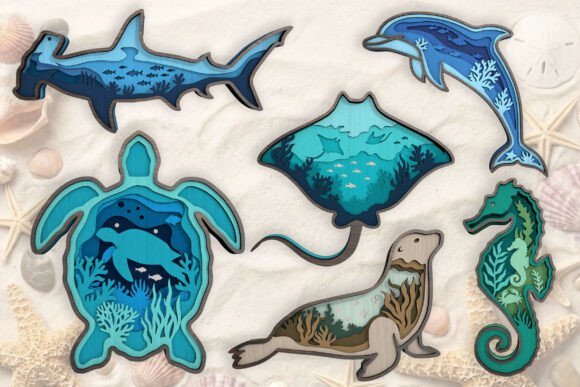
This digital bundle features six unique, intricately designed sea creatures. Each animal is deconstructed into multiple layers, creating depth and shadow without the need for complex 3D modeling software on the user’s end. The primary value proposition here is efficiency. By providing pre-calculated layer offsets and alignment guides within the file structure, the bundle reduces the time spent on trial-and-error adjustments. This allows creators to focus on material selection, finishing techniques, and final assembly rather than troubleshooting basic geometry.
File Format Compatibility and Software Preparation
Before initiating any project, the first critical step is ensuring technical compatibility. The bundle includes a comprehensive suite of file formats: SVG, AI, DWG, EPS, DXF, and PDF. While this variety suggests broad usability, it also introduces a potential point of failure if not managed correctly. Different cutting machines and software environments handle vector data differently. For instance, Glowforge users typically rely heavily on SVG files for their cloud-based processing, while professionals using Adobe Illustrator may prefer the native AI format to preserve editability. Meanwhile, CNC router operators might find the DXF or DWG formats more suitable for their CAM (Computer-Aided Manufacturing) workflows.
Please make sure your software machine supports all files before purchasing. This is not just a disclaimer but a practical instruction. Open each file in your intended software immediately after download. Check for stray points, overlapping paths, or missing fonts. In layered designs, misaligned layers can result in pieces that do not stack correctly, leading to wasted material and time. Verify that the scale of the vectors matches your physical output expectations. A common error is assuming a standard "page size" when the actual artwork is scaled to inches or millimeters. Confirming these settings early prevents costly mistakes during the cutting phase.
Integration into Creative Workflows
The true utility of the 3D Layered Ocean Animals Laser Cut Bundl emerges when it is integrated into broader projects. Whether you are producing home decor items, educational tools, or retail merchandise, these files serve as the foundational asset. Consider the workflow for a small batch production run. You would import the SVG or AI file into your cutting software, assign power and speed settings based on your material—such as basswood, acrylic, or felt—and then execute the cut. The layered nature of the design means you will likely perform multiple cuts or use different material colors to achieve the desired visual effect.
For educators and content creators, these files offer a tangible way to teach concepts about marine biology or geometry. A student can assemble the layers to understand how depth is represented in art, or how an octopus’s anatomy is structured. In a business context, these designs can be used to create consistent branding elements for packaging or promotional materials. The key to success lies in consistency. Once you have dialed in your machine settings for a specific material thickness, document those parameters. This creates a repeatable process, allowing you to scale production without re-testing every variable.
Material Selection and Physical Assembly
Digital perfection does not guarantee physical success; material choice plays a pivotal role in the final outcome. The intricate details of the ocean animals require materials that hold fine edges well. Thin plywood, such as 3mm basswood, is a popular choice for its affordability and ease of cutting. However, for a more premium look, consider using colored acrylics or high-density foam board. Each material interacts with the laser differently. Acrylic may require higher power settings and slower speeds to achieve clean edges, while wood may benefit from a lower power setting to avoid charring the edges.
Assembly is where the "3D" aspect truly comes to life. Most layered designs include registration marks or rely on precise alignment between layers. When assembling, start with the largest, bottom-most layer and work your way up. Use strong adhesive, such as wood glue or clear-drying craft glue, applied sparingly to prevent warping. For complex shapes, tweezers and magnification aids can help ensure that smaller components, like the fins of a fish or the tentacles of an octopus, are positioned accurately. This stage requires patience and attention to detail, transforming a flat stack of cutouts into a cohesive, dimensional piece.
Quality Control and Long-Term Value
In any production environment, quality control is essential. After cutting, inspect each piece for burn marks, incomplete cuts, or debris buildup. Clean the surfaces with a soft brush or compressed air before assembly. If a layer is slightly misaligned, it may be possible to trim it manually with a craft knife, though this should be a last resort. Ideally, your digital preparation should eliminate the need for post-processing corrections.
The long-term value of purchasing a digital bundle like this lies in its versatility and lack of inventory risk. Unlike physical products, digital assets do not degrade over time and can be used indefinitely. You can experiment with different color combinations, sizes, and materials without additional cost. This flexibility is particularly beneficial for entrepreneurs testing new product lines. You can produce a small number of units to gauge market interest before committing to larger production runs. Furthermore, because the files are editable, you can customize the designs to suit specific client requests or seasonal themes, adding further value to the initial purchase.
Optimizing Efficiency Through Organization
To maximize the efficiency of using the 3D Layered Ocean Animals Laser Cut Bundl, organization is key. Maintain a structured folder system for your digital assets. Label files clearly with version numbers, dates, and material specifications. When preparing files for cutting, group related layers together and lock them in place to prevent accidental movement. Create templates in your cutting software that include preset settings for common materials. This reduces setup time and minimizes human error.
Additionally, consider the environmental impact of your production. Laser cutting generates smoke and particulates, so ensure your workspace is well-ventilated. Recycle offcuts where possible, or repurpose them for smaller projects. By adopting a mindful approach to material usage, you not only reduce waste but also enhance the sustainability profile of your brand or hobby.
Conclusion on Practical Implementation
The 3D Layered Ocean Animals Laser Cut Bundl represents a streamlined solution for bringing oceanic themes into the physical world. Its strength lies in its accessibility and adaptability. By understanding the technical requirements, selecting appropriate materials, and maintaining a disciplined workflow, users can produce high-quality, visually striking results. Whether for personal enjoyment, educational purposes, or commercial gain, these files provide a robust foundation for creative expression. The process—from digital import to physical assembly—is a rewarding cycle of planning, execution, and refinement that underscores the modern maker’s ability to bridge the gap between virtual design and tangible reality.
Remember, the goal is not just to cut shapes, but to create objects that resonate with viewers. The layered technique adds a tactile dimension that flat graphics cannot replicate. Take the time to master the nuances of your equipment and materials. With practice, the assembly of these ocean animals will become second nature, allowing you to explore even more complex designs and applications. Happy shopping, and enjoy the process of bringing these digital sea creatures to life.